
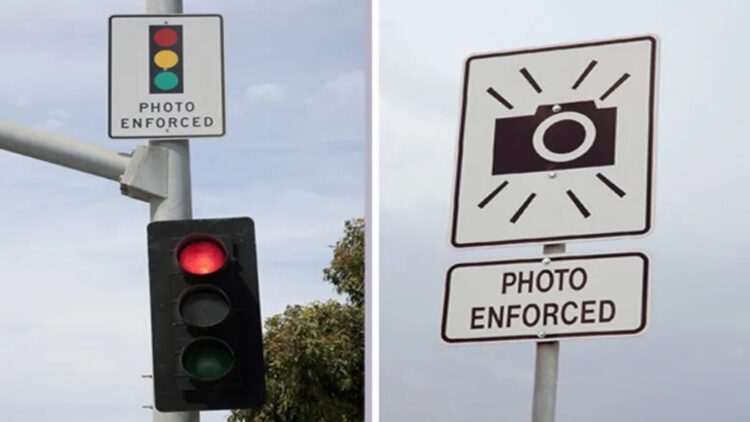
Despite the dilemma it generates, the truth is that the data does not lie: speed cameras or traffic control cameras reduce the number of serious accidents and deaths by almost 50%. The existence of speed cameras is not new to the world, but it is for the roads of the United States. While some states are betting on their use, others prohibit them completely. In the case of Colorado, the government has taken measures to mitigate the increasing number of deaths on the road in recent years through the implementation of this tool.
The Colorado Department of Transportation (CDOT) has begun the installation of security cameras aimed at work zones. According to Keith Stefanik, the chief engineer of CDOT, these are high-risk areas where speeding is highly dangerous. For her part, the executive director of CDOT, Sally Chafee, defends the Colorado Speed Enforcement Program as a significant step to reduce deaths and increase safety in traffic.
Drivers were warned that as of last July, these new measures would be implemented. Offenders, who will only receive a penalty before being fined, will know which sections of the road have these cameras, which will be clearly marked. There will be no valid excuse for committing a speeding violation. The money from these fines will be reinvested in funding this program, while the excess will be allocated to the Vulnerable Road User Protection Enterprise.
Use of traffic enforcement cameras
Despite the multitude of opinions that the presence and use of traffic control cameras on the roads may generate, what is undeniable is that it is one of the most effective tools in terms of reducing fatal accidents. In the United States, there are 5,000 radar units distributed across the country, with the aim of reducing mortality rates on the roads and ensuring the safety of drivers on them.
Data in the country shows a 50% reduction in serious accidents and deaths caused on the roads after the implementation of these cameras. Although other countries have had them for decades, the arrival of road safety cameras in the United States is relatively recent. There are two types of cameras found on the roads: fixed or mobile.
Colorado Speed Enforcement Program
Not all states agree with the use of this tool, so while some condemn and prohibit its implementation, other states are resorting to it as a solution to mitigate the fatal mortality data on the roads. This is the case in Colorado, where the Colorado Department of Transportation (CDOT) has opted for the use of cameras to reduce the number of accidents in work zones.
To this end, they have created the Colorado Speed Enforcement Program, through which certain stretches and work zones will have speed control cameras. According to Keith Stefanik, the chief engineer of the CDOT, “Work zones are high-risk areas with narrow and passable lanes, closures, and sudden stops, making speeding especially dangerous”. Given the increase in data regarding deaths in these areas, the United States Department of Transportation (DOT) must act.
How will it work?
The sections of road in these work areas where the cameras will be located will be well marked, so as not to cause confusion for drivers, who will be fully aware that they must reduce their speed, otherwise, they will be fined. In case of a violation, the vehicle will be photographed at two separate points and the average speed will be calculated. If the speed exceeds 10 mph, the fine will be $75.
According to Sally Chafee, the executive director of CDOT, “The Colorado Speed Enforcement Program is an important step to reduce these incidents and keep people safe. This program is not about writing tickets; it is about changing behavior. It serves as a clear reminder that the speed limit is not a suggestion; it is the law. The simplest way to save a life is to reduce speed”.
Where will the raised funds go?
It is important for drivers to see the transparency of this new project. The amount raised from the fines will be reinvested in the project to finance it. In case there is an excess, it will be allocated to the Vulnerable Road User Protection Enterprise.
If you are a minor and want to drive in South Carolina, here are the steps to follow!