
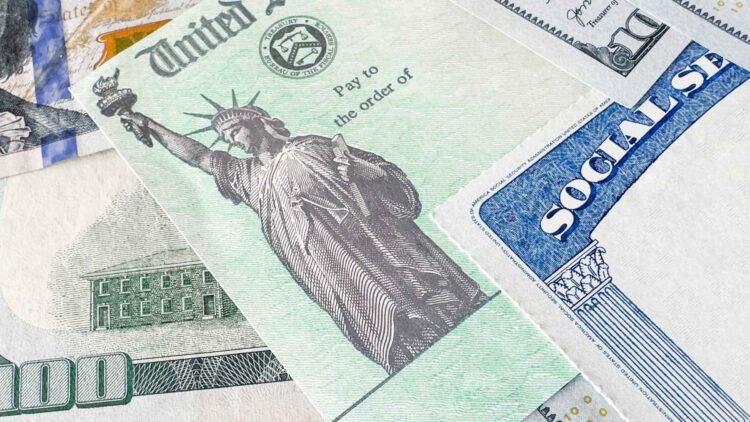
Starting September 30, 2025, the Social Security Administration (SSA) will stop issuing paper checks for monthly benefit payments. However, there will be specific exception cases as long as eligibility criteria are met. Only those over 90 years old, individuals with disabilities, or those who can prove they live in remote areas without access to the necessary digital tools will be eligible for these exceptions. According to the U.S. Department of the Treasury, checks are becoming less secure, citing the potential for fraud they represent. In addition, they also argue the speed with which payments can be made through Direct Express cards or direct deposits, and the lower likelihood of being stolen or getting lost.
Moreover, they intend to ensure that beneficiaries do not suffer delays due to postal delivery failures or interruptions in regular mail, which does not happen with electronic payment. On the other hand, the replacement of paper checks also responds to cost savings; 50 cents per check versus 15 cents per electronic payment. Beneficiaries who wish to continue receiving paper checks are urged to be proactive to avoid interruptions in their payments. The Electronic Payment Solution phone number for the Treasury is available at 1-855-290-1545 or they can print and send the official form.
Social Security Administration (SSA)
The Social Security Administration (SSA) is the organization belonging to the United States government, responsible for managing social programs, including retirement, disability, or survivor benefits. According to its official website, the Administration is defined as that organization which ” has two main functions. One is to assign Social Security numbers. The other is to run the Social Security retirement, survivors, and disability insurance programs. A third function is to run the Supplemental Security Income program, for people who are 65 or older, blind, or with a disability”. It is the organization responsible for maintaining economic balance in the American population, ensuring that the most vulnerable people have access to the necessary assistance.
Social Security: new scenarios
In recent months, the Administration has been subjected to numerous changes regarding the amounts of aid, eligibility criteria, and has even led a campaign to raise revenue through erroneous payments or overpayments to beneficiaries. So much so that they have proposed a new method of monthly payment that will be implemented starting September 30, 2025. What does it consist of? Very simple. Those individuals who are currently receiving paper checks as a method of payment will stop doing so as of that date. Payments will be made electronically through bank transfers or deposits onto Direct Express prepaid debit cards.
Reasons for this change
The U.S. Department of the Treasury has justified this change with several reasons. On one hand, there is concern about security, as according to the institution, “paper checks are increasingly the main gateway for fraud.” Additionally, it has wanted to highlight the benefits that electronic payment offers over paper checks, referring to the speed with which payments can be received. Payments made with paper checks can suffer delays due to mail disruptions, whereas electronic payments are less likely to be stolen or lost. As could be expected, this initiative also responds to a reduction in costs for the administration, going from 50 cents for each paper check to 15 cents for each transfer.
I want to apply for my exemption
Although exceptions have not been officially specified by the SSA, they have stated to CNN, ‘When a beneficiary has no other means to receive payment, we will continue issuing paper checks.’ To switch to direct deposit, beneficiaries must contact their bank or subscribe to a Direct Express card. Additionally, payment details can also be updated through mySocialSecurity. Affected beneficiaries are urged to contact the administration via the Treasury’s Electronic Payment Solution line at 1-855-290-1545 or print and send the official form. Beneficiaries who wish to request that exception, if eligible, are advised to plan ahead of September 30 to avoid interruptions in payments.