
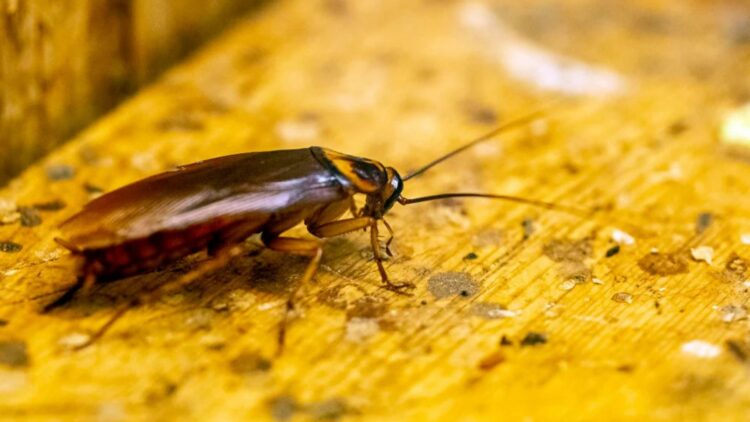
It seems inexplicable why there is an aversion to insects, but the case of cockroaches is on another level. Many specialists in the field of entomology, along with psychology, argue that it is a mixture of instincts from different areas, including cultural factors and the very nature of the cockroach. According to entomologist Jeff Lockwood, cockroaches can provoke in humans responses akin to an anxiety attack or a reaction to trauma.
Furthermore, everything we associate with disease or dirt generates dislike and fear in us, which is exactly what cockroaches evoke, sometimes even becoming a phobia. On top of all this, social learning through movies, media, or social attitudes has also contributed to our view of them as disturbing, unpleasant creatures that we don’t want to see nearby. Have you ever heard anyone say that their favorite animal is the cockroach? I doubt it…
Cockroaches
I have never met anyone who does not feel some rejection towards cockroaches. Crickets, lizards, and flies can be tolerated, but cockroaches play in another league of unpleasantness. This is not just a personal or social appreciation, but it has a psychological and entomological backing that explains there are several factors that favor this occurrence, such as social learning, the most primal instincts of human beings, and, of course, the fact that it is a considerably disturbing insect.
What does entomology say?
The entomologist Jeff Lockwood asserts that human psychological responses are rooted in anxiety, disgust, and trauma, being one of the origins of aversion to this insect. They are not like other insects; they appear and disappear when you least expect it, they leap, and in the worst cases, they fly. These abilities create a feeling of loss of control over the environment, which induces panic in humans.
Dirt and diseases
It is curious, as these insects neither bite nor are poisonous. However, we know they live in garbage, in sewers, and even in decaying matter. All of this leads us to an image of them as extremely dirty insects and carriers of disease. According to psychology, everything we associate with diseases makes us feel disgust, and that is exactly what cockroaches generate.
Physical appearance
Its physical appearance doesn’t help either. A quick and erratic movement, shiny shell, greasy texture, who likes that? The brain associates these characteristics with decay and danger, which is why it reacts by activating protective mechanisms.
Social aspects
One of the important factors that influence our reaction to things is social learning. In the case of cockroaches, media and horror movies add to this learning. Have you ever seen any advertising campaign (that is not about pesticides) that features cockroaches as protagonists? And any children’s movie where the adventures of a family of cockroaches are narrated? The percentage of these examples is minuscule, and there’s a reason for that.
Cockroaches are present in horror movies, in murder series, always related to something dark. That is why from a young age we learn to associate it with dirt and fear. If a small child sees that their parents or elders, their protective figures, react with aversion, disgust, or fear to cockroaches, what do you think they learn? From an early age, we associate them not only with disgust but also with danger. The problem arises when that fear escalates and becomes irrational, giving way to phobias.
Conclusions
Whether learned, inherited, or inherent, the fear of cockroaches resides in the image of dirt, disease, danger, and threat to health that they project onto us. Other insects can harm us through bites, but the cockroach does so on a psychological level. It is one of the most common fears, but if it escalates, it is recommended to seek professional help so that the phobia does not hinder your life.