
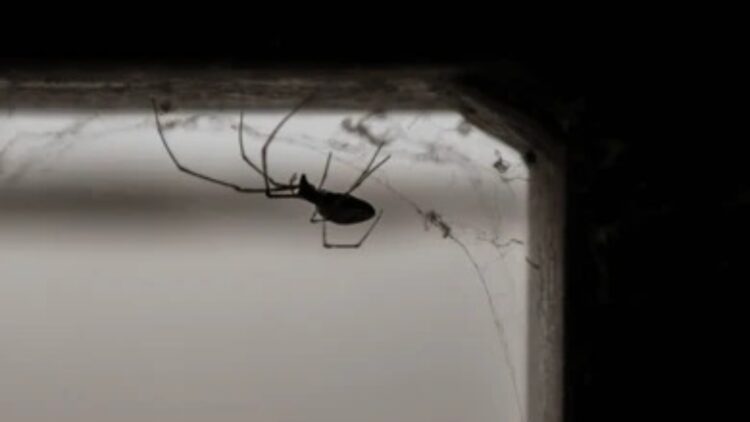
If since we were little we were introduced to Itsy Bitsy Spider, Charlotte’s Web, or even became fans of Spiderman in our adolescence, how is it possible that we are so afraid of and repelled by them? It could be due to their real appearance, which has nothing to do with how adorable they are portrayed in cartoons. If you are one of those people who aren’t very fond of spiders or even suffer from arachnophobia, I have bad news.
It is possible that with the arrival of autumn you have noticed a greater presence of this insect in your home, and there is an explanation for that.According to statements from a spider specialist from the Belgian Arachnology Association (Arabela), Koen Van Keer, to the Belgian newspaper De Morgen, September and October are the “spider months” in Europe and North America, as this is when the mating season occurs.
Moreover, it also explains that killing them or disposing of their webs will not make them disappear, since what attracts them is the possibility of food (other insects). So if you want to get rid of their presence, you will also have to get rid of flies, moths, and other insects that may serve as their food. Van Keer suggests leaving them alone, since they are the only predatory species we can have inside the house and, unless it is an exotic species, they do not pose a danger to humans.
From Friendly Faces to Fear
With more or less acceptance, spiders are included in children’s imagination from a young age. Itsy Bitsy Spider, Charlotte’s Web, even Spiderman, enter our lives and make us see these creatures as adorable and even cuddly (Spiderman perhaps not so much). So how is it possible that they generate so much rejection in us as we grow up? It probably has to do with their real appearance, with thin and long legs, and also with the possibility that they might bite us. Who wants to be bitten by a spider, unless you are going to become the city’s superhero?
“Spider Months”
If you’re not a big fan of this insect, I don’t bring very good news, although they might still be relaxing. If people call you exaggerating for seeing more spiders than usual at home, they are mistaken. This is because with the arrival of autumn, the “spider months” also come: September and October. During this period, the presence of spiders increases, especially in Europe and North America. Why does this happen?
The spider specialist from the Belgian Arachnology Association (Arabel), Koen Van Keer, explained to the Belgian newspaper De Morgen that “the indoor population reaches its peak at the beginning of the year when spider eggs hatch in May and June. At that time, there is an explosion of spiders in the house. But they are so small that you hardly notice them. In autumn, the males are fully mature and wander, which makes them harder to lose”.
Don’t kill spiders!
Although it is one of the most chosen options by those who suffer from arachnophobia, specialists recommend not getting rid of spiders. Specifically, Van Keer explains, “Killing them or removing their webs is only a symptomatic treatment. It will not reduce their numbers. The only way to do so is to limit the available prey indoors.”
Seeing the positive side of spiders
Although it may not be pleasant to find one on the bathroom ceiling right at shower time, or crossing the living room ceiling while you are reading one of these articles, the truth is that the species found indoors in Europe or the United States are usually not dangerous, and they also provide a free pest control service.