
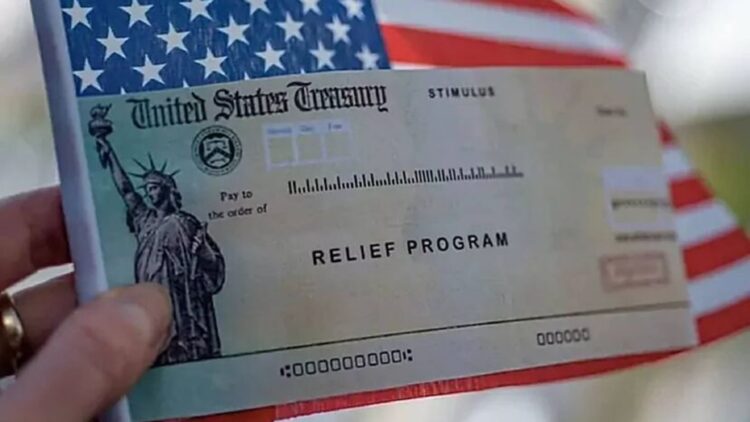
At this time of year, on the doorstep of the Halloween, Thanksgiving, and Christmas holidays, receiving a unique stimulus payment represents significant financial assistance to cope with upcoming expenses. Some examples of property tax refund programs currently in operation are the STAR program (New York School Tax Relief) and the ANCHOR program (Affordable New Jersey Communities for Homeowners and Renters), which usually focus on low-income homeowners and renters to help them reduce their tax liability. In the case of Alaska, the Alaska Department of Revenue has already activated its annual stimulus payment program through the state’s Permanent Fund Dividend (PFD).
If you meet the eligibility requirements, you could receive state aid of up to $1,702. However, if you are not a resident of Alaska, don’t worry. In the case of Virginia, two stimulus payments will be made due to experiencing a tax surplus. In California, they have the Family First Economic Support Pilot Program (FFESPP), which aims to guarantee basic income for low-income residents. Currently, the bill called the American Workers’ Rebates Act is in the United States Senate, which seeks to cancel the stimulus payments and thus allow residents to share the income generated by Trump’s tariff policies.
Stimulus checks
The time for stimulus checks has arrived. These types of payments are one-time payments given to eligible residents to alleviate an economic crisis or to cover specific needs. On the other hand, there are also those associated with tax deductions, through which taxpayers are offered a tax break via these one-time payments. These payments arrive just in time, coinciding with the start of the end-of-year holiday season: Halloween, Thanksgiving, and Christmas.
All of these holidays bring with them economic expenses that these checks help to alleviate. Regarding payments related to tax relief, the most well-known are those related to property tax. Through it, states offer property tax refunds to the most vulnerable people and those with lower incomes, aiming to reduce the economic gap. Some of the best-known programs are the STAR program (New York School Tax Relief) and the ANCHOR program (Affordable New Jersey Communities for Homeowners and Renters), which focus on low-income homeowners and tenants.
Stimulus Checks in Alaska
Through the state’s Permanent Fund Dividend (PFD), the Alaska Department of Revenue has already launched its stimulus checks program. Through this, they aim to share with the population the profits the state has earned from minerals and oil. To be eligible for this type of state assistance, you must take the following requirements into account:You must be a resident of Alaska for at least one year before applying.You cannot have been out of the state for more than 180 days, with exceptions such as serving in the military or being out of the state for college.
Specific limitations in your criminal record.If eligible, your application will be marked as “Eligible-Not Paid,” and payment is expected by October 23, 2025. This year, the payment could reach $1,702, which would provide considerable assistance during the upcoming holiday season.
Payments in other states
If you don’t live in Alaska, don’t panic! There are other states that also have this type of program, such as Virginia, which carries out two payments due to the tax surplus the state has reached, or California, with its Family First Economic Support Pilot Program (FFESPP).
American Workers’ Rebates Act
However, the United States Senate is currently debating the new bill called the American Workers’ Rebates Act, through which it is intended to cancel the stimulus payments to eligible residents. Instead, it is intended for residents to share the income derived from Trump’s tariff policies.