
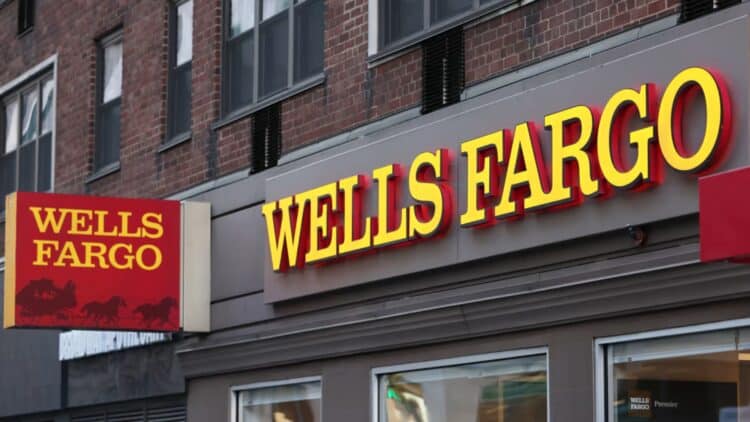
SEB Investment Management has filed a class action lawsuit on behalf of Wells Fargo bank shareholders, against whom the lawsuit is directed. It was former executive Joe Bruno who in 2021 reported the bank for conducting fake interviews for positions that had already been filled. Bruno, who was fired following these statements to the New York Times, explained that the job positions offered did not exist, and that the interviews targeted minority candidates solely for the purpose of giving the appearance of a commitment to diversity by Wells Fargo.
This lack of corporate ethics and workplace discrimination has led the bank to agree to an $85 million settlement, according to The Charlotte Observer. The bank does not admit to wrongdoing and defends its diversity and inclusion policies. However, in order to avoid costs and a protracted federal trial, the banking entity agreed to reach a settlement. Although this situation directly affects the candidates of the interviews, the compensatory fund benefits the shareholders, who are the ones who have sued the bank, claiming that the value of the shares has been affected by these hiring practices.
Wells Fargo
Founded in 1852 by Henry Wells and William Fargo, Wells Fargo is one of the largest financial corporations in the United States. Its offerings include banking, investment, and mortgage products and services, checking and savings accounts, loans, credit and debit cards, online and mobile banking, and international remittance services. It also has a Virtual Assistant called Fargo, which guides customers through the mobile app to facilitate and enhance their experience.
Origin of the Class Action Lawsuit Against Wells Fargo
This situation resurfaced in 2021, when Wells Fargo was accused of conducting interviews with candidates for positions that had already been filled or did not exist. The peculiarity of these interviews was that they were aimed at people belonging to minority groups in order to validate its diversity and inclusion policy. However, the executive, Joe Bruno, reported this practice, which led to his dismissal shortly thereafter, although the company claimed that his termination had nothing to do with his statements.
The New York Times covered Bruno’s statements in which he explained, ‘The fake interviews were inappropriate, morally wrong, and ethically reprehensible.’ It was not only Bruno who reported it, but other workers also supported these accusations, admitting that the job openings were not real, and that interviews were conducted with people from minority groups with the aim of meeting internal diversity goals, but these people were never actually hired.
What does the bank say about this?
SEB Investment Management was the company responsible for filing the class action lawsuit on behalf of all Wells Fargo shareholders. The period under investigation spans from February 2021 to June 2022, and a federal court in California denied Wells Fargo’s request to dismiss the case in 2023. Although the bank denies having committed any wrongdoing, it has agreed to pay $85 million in compensation to the shareholders to avoid higher costs and prolonging a federal trial. While logic indicates that the most affected by this situation are those candidates who were falsely interviewed, the truth is that the settlement fund will go directly to the shareholders.
Why is this the case? The fact is that it was the investors who sued the bank, so they are the ones who will receive the compensation. To defend their rights, the shareholders claimed that the value of the investments was affected by market deception regarding Wells Fargo’s hiring practices, causing financial losses. Despite this, the bank stated in a press release, ‘We believe the allegations are unfounded. Wells Fargo does not tolerate discrimination anywhere in our business,’ reiterating its position of innocence.