
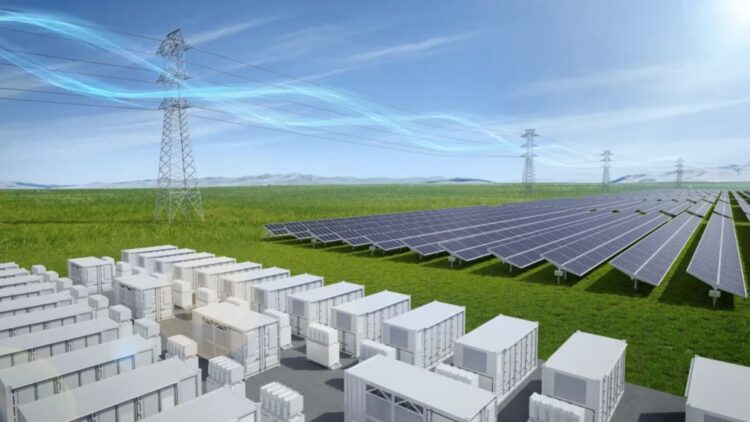
The Western Green Energy Hub (WGEH) is more than just a renewable energy project. It is considered the largest renewable project on the planet and will take place in Western Australia. Managed by companies such as InterContinental Energy and CWP Global, this project aims to use solar and wind energy to generate 200 terawatt-hours (TWh) of electricity. To achieve this, it will require an area of 22,700 km² and an infrastructure of 20 million solar panels and 3,000 wind turbines.
Similar to the SunCable project, Australia aims not only to be energy self-sufficient but also to supply interested countries such as Singapore. The project is not limited to electricity generation; it will also produce green hydrogen and green ammonia, which will be primarily exported to Asia-Pacific regions. The motivation behind this project is not only innovation, but also addressing the consequences that the Australian population has suffered as a result of climate change.
The Western Green Energy Hub (WGEH) project
Considered the largest renewable energy project in the world in planning, the Western Green Energy Hub (WGEH) could represent a radical change in energy consumption in Australia and the rest of the world. It is a highly ambitious innovation project that Australia is expected to live up to, although this is not certain. The project aims to combine solar panels and wind turbines, which will generate approximately 70 GW of installed capacity. This amounts to 200 terawatt-hours of annual energy.
What does the project consist of?
Located in Western Australia, the project will require an area of 22,700 km² and infrastructure of 20 million solar panels and 3,000 wind turbines. The goal is not only to generate 200 terawatt-hours of electricity through the combination of solar and wind energy, but also to strategically utilize the surplus energy produced.
Green hydrogen
Green hydrogen will be obtained from surplus energy from the sun and the wind, from which it is expected to produce 3.5 million tons per year. It will be mainly destined for export so that it can be used as a clean energy source in other countries. In order to facilitate its transport and storage (especially over long distances), green hydrogen will be converted into green ammonia. The final destination of this product is the Asia-Pacific region, specifically countries like Singapore, where the demand for clean fuel is increasing.
Support companies
Carrying out this project requires durable infrastructure and cooling systems. This is why companies like InterContinental Energy or CWP Global are providing support and seeking to align with the project’s expectations. Additionally, investment in export submarine cables and the necessary port infrastructure in Australia must also be considered, in order to ensure that the energy reaches Singapore directly.
Climate Change
The challenges that this project will present are more than expected. However, it is not just a demonstration of power, innovation, and energy independence; it also involves the need to mitigate the effects of climate change. In recent years, the Australian population has suffered its consequences in the form of wildfires, heat waves, and drastic weather changes. This is undoubtedly, as it has been rightly described, the largest sustainable energy project that has ever been undertaken, which makes the expectations surrounding it considerable.
Australia aims to achieve energy independence and has a set timeline to do so: it intends to reach net zero emissions by 2050. Moreover, such projects not only allow other countries to benefit from them but also encourage them to advance their own initiatives in pursuit of energy independence and a cleaner world.