
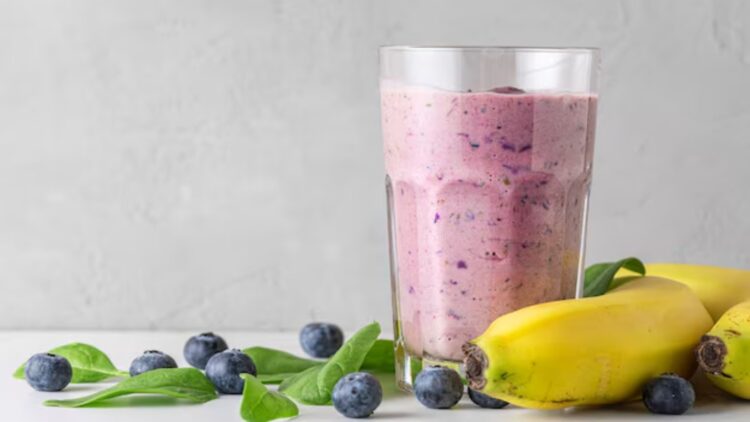
A study published in Food and Function and conducted by researchers from the University of California, Davis in collaboration with the University of Reading has shown that the enzyme polyphenol oxidase affects the body’s ability to absorb flavanols. The Academy of Nutrition and Dietetics recommends a daily intake of 400 to 600 mg of flavanols, especially in older adults, in order to improve cardiovascular function and prevent cognitive decline. According to Professor Gunter Kuhnle, a Nutrition and Food Science professor at the University of Reading and co-investigator of the study, it is important to meet this intake limit and know the best way to obtain them.
The study demonstrated that the simultaneous consumption of banana with flavanol sources reduces absorption capacity by 84%. Javier Ottaviani, the director of the Mars Edge Central Laboratory, which is part of Mars, Inc., and an adjunct researcher with the Department of Nutrition at the University of California, Davis, emphasizes the importance of being practical when preparing smoothies and knowing which ingredients do or don’t go well together.
The study conducted to support this finding showed that the urine and blood samples of participants who consumed banana in their smoothies were significantly lower than those who took flavanol capsules or smoothies that contained only berries. That is why he highlights the need to combine fruits that do not interfere with nutrient absorption. Other fruits rich in flavanols are grapes, blackberries, blueberries, and cocoa.
Flavanols
They are natural compounds in plants that give them color and act as antioxidants and anti-inflammatories. They are highly recommended, especially to combat cognitive decline and to improve cardiovascular health. According to the Academy of Nutrition and Dietetics, the recommended daily intake is 400-600 milligrams. However, a study conducted by researchers at the University of California, Davis in partnership with the University of Reading and published in Food and Nutrition, has shown that combining flavonoid intake with banana reduces the body’s absorption capacity by 84%.
The professor of Nutrition and Food Science at the University of Reading and co-investigator of the study explained, “If you do not consume enough flavanols, it can negatively affect cardiovascular health. In older adults, flavanol deficiency is also linked to cognitive decline. Therefore, it is clear that we need them, but the question is how to get more flavanols from the foods and drinks we consume.
How can banana affect the absorption of flavonoids in a berry smoothie?
The director of the Mars Edge Central Laboratory, which is part of Mars, Inc., and adjunct researcher with the Department of Nutrition at the University of California, Davis, Javier Ottaviani, explained, “We are trying to understand, at a very practical level, how a common food and food preparation like a banana-based smoothie could affect the availability of flavanols to be absorbed after consumption”.
Kuhnle added, “Smoothies are a popular way to pack fruit and vegetables into our morning routines. We know from previous studies that flavanols can be broken down by polyphenol oxidase. The extent of the effect from adding a single banana was still very surprising – it had enough polyphenol oxidase to destroy the vast majority of flavanols found in the berries. Bananas may be ruled out of the morning smoothie if you want to boost your flavanol intake, but on their own, they are still great fruits an can play an important role in many healthy diets”.
Study carried out
In the trial conducted to support this finding, participants were given a shake with banana and berries, one with only mixed berries, or a flavanol capsule. Subsequently, urine and blood samples were taken, which revealed that both the levels of flavanol in the shake and the levels absorbed by the body were reduced when the banana was included. In light of this data, Kuhnle said:
“We still know very little about food-food and food-nutrient interactions, even though they can have a huge impact on the uptake of nutrients and bioactives like flavanols. Here, we could show that the uptake of flavanols can vary by more than fivefold depending on the combination of foods. Bananas are a great ingredient in smoothies to provide a nicer texture, but they can affect flavanol uptake. If you want to boost your flavanol intake with a smoothie, you should combine flavanol-rich fruits like berries with foods that have a low polyphenol oxidase activity like pineapple, oranges, mango, or yogurt”.