
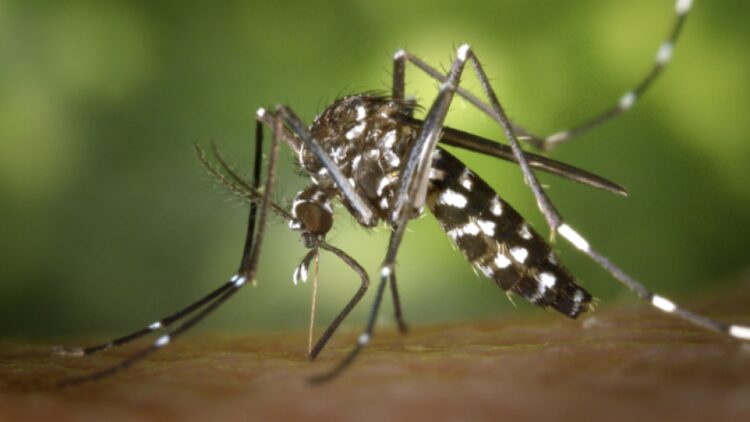
A positive case of the chikungunya virus has recently been reported in Nassau County, Long Island, New York, after years without any cases. Although no personal information about the affected individual or the circumstances under which they contracted the virus was provided, the State Department of Health explained that the infection occurred after traveling outside of their area of residence, but within the country, and that symptoms began in August. Like dengue and Zika, the species responsible for transmitting the chikungunya virus are the mosquitoes Aedes aegypti and Aedes albopictus, which are the only way the disease can be transmitted.
The most common symptoms include episodes of fever along with severe joint pain, which usually subsides within a few days, with some exceptions. As explained by the Pan American Health Organization (PAHO), this virus can only be contracted once, as the infection provides lifelong immunity. Although the population is experiencing some nervousness, authorities are trying to calm the situation and claim that with the arrival of autumn and the drop in temperatures, the presence of mosquitoes will decrease. Nevertheless, James McDonald, the state health commissioner, advises citizens to take precautions against mosquitoes.
Chikungunya case sparks concern in New York
Nervousness has become noticeable in the state of New York following the confirmation of a positive case of the chikungunya virus. It occurred in Nassau County, Long Island, and with positive cases also reported in China and other regions, health authorities have expressed their concern. No personal details have been released, nor have the circumstances in which the affected person contracted the virus been explained, but the State Department of Health has stated that the virus was contracted during travel within the country, and that symptoms began in August. To calm the collective nervousness of the population, they have clarified that there are currently no records of local transmission, and no clusters of mosquitoes have been found in the region.
Chikungunya symptoms
The most common symptoms after contracting the virus are fever and joint pain. It is also common for patients to experience muscle pain, headache, skin rashes, fatigue, and nausea. Although symptoms usually disappear within a few days, there are cases where joint pain can persist for months or even years. There is no vaccine or treatment for the virus, so the only possible alternative is to mitigate the symptoms by promoting rest and maintaining proper hydration.
It is important to note that particularly vulnerable cases affect elderly adults and children under one year old, who may be harmed by complications that can endanger their lives. The Pan American Health Organization (PAHO), has explained that contracting the chikungunya virus provides immunity for life, so it can only be contracted once.
Chikungunya mosquitoes confirmed
Like other diseases transmitted by mosquito bites, the chikungunya virus is not spread from person to person. In fact, the species responsible for this transmission are the same ones responsible for viruses such as dengue and Zika: Aedes aegypti and Aedes albopictus. The presence of these mosquitoes in the New York metropolitan area has extended to the suburbs of Long Island. It is expected that with the drop in temperature typical of the fall season, their presence will decrease. However, James McDonald, the state health commissioner, recommends that citizens remain cautious.