
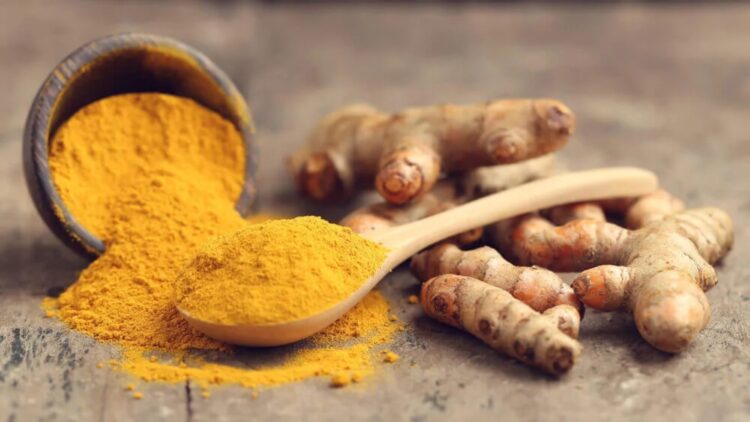
Consuming cinnamon, turmeric, and ginger could be interfering with the effectiveness of those medications, despite the multiple benefits their consumption brings. This is suggested by the University of Mississippi, which is studying the activation of receptors like cinnamaldehyde and their role in removing medication from the body. This effect is related to cinnamon consumption, and not only to the dose but also to the type. It has been shown that cassia cinnamon is the most affordable and comes from parts of Asia, while Ceylon cinnamon originates from Sri Lanka and is more expensive but healthier.
On the other hand, the interaction of turmeric consumption and its effect on medication is still limited. There is only evidence that curcumin can affect the metabolism of certain medications, impacting the kidney, as is the case with antidepressants, antibiotics, chemotherapy drugs, or blood pressure medications.As for ginger, despite its multiple benefits, gingerol can influence the way the body handles medications.
Cinnamon
The consumption of cinnamon, turmeric, curry, and ginger is very common in kitchens around the world. However, despite the multiple benefits these spices offer, the truth is that they could interfere with the effectiveness of certain medications. This was reflected in the first phase of a recent study conducted by the University of Mississippi, which examined the effects of cinnamon on certain medications. According to laboratory tests, cinnamaldehyde is capable of activating receptors that accelerate the elimination of the medication from the body, making it less effective. In addition to consumption, the type of cinnamon is also taken into account.
The most common and inexpensive one comes from Asia, and is the type usually found in all households: cassia cinnamon. This contains high levels of coumarin, a substance that can damage the liver if consumed in large doses. Furthermore, it is also a natural anticoagulant, so it can interfere with medication for this type of condition. On the other hand, there is Ceylon cinnamon, which is considered the “true” cinnamon; it is more expensive and originates in Sri Lanka. Besides interfering with anticoagulants, cinnamon also interferes with the functioning of medications such as antidepressants, pain relievers, cancer drugs, and diabetes medications.
Turmeric
Turmeric, which contains Curcumin, serves as an effective natural anti-inflammatory and antioxidant. The information available on the evidence of turmeric’s interaction with medications remains limited and is almost entirely based on animal studies. However, it has been shown that curcumin can affect the metabolism of certain medications, such as antidepressants, antibiotics, chemotherapy drugs, and medications for blood pressure. At times, it can also act as a blood thinner, potentially increasing the effects of medications like warfarin or aspirin. There is also a connection between turmeric consumption and reduced blood pressure, so combining it with medications intended for blood pressure could lead to a drop in pressure.
Ginger
Known for its anti-nausea and anti-inflammatory effects, ginger is another natural anti-inflammatory. However, gingerol, its main compound, acts as a blood thinner, so combining it with anticoagulants may not be beneficial. More research is needed in this regard, as its effect on antidiabetic medications is still unclear.
Doses
These side effects and harmful effects reported from cinnamon consumption, turmeric, and ginger have all occurred in cases where the intake was considerably high. However, if you are taking any type of medication, it is advisable to consult your doctor about whether consuming cinnamon, turmeric, and ginger is safe. Remember that this is only an informational article and that any health-related decisions should be discussed with your doctor.