
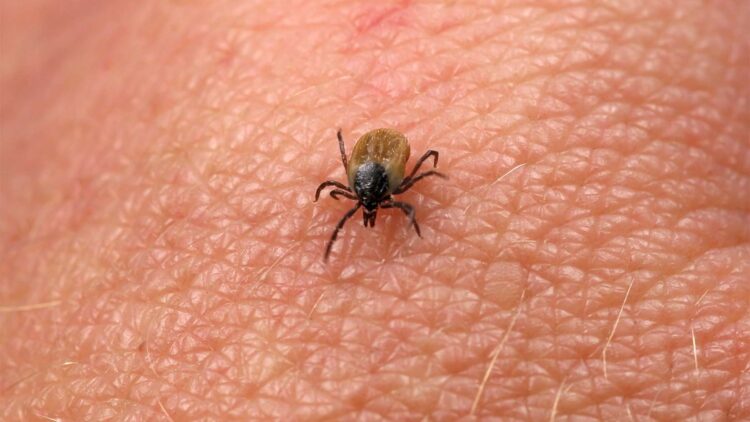
Scientists are concerned that a new tick-borne disease that was discovered in dogs in the United States may eventually affect people as well. A recently discovered species of bacteria that belongs to the spotted fever group—the same family that causes Rocky Mountain spotted fever—causes the infection. Health experts caution that the entire group “should always be considered potentially pathogenic” to humans because many of this bacterium’s relatives can cause illness.
The new bacterium has been successfully cultivated in the lab and its genetic code is being studied by researchers at North Carolina State University. They found that it is a whole new species.
In honor of Finny, the dog whose blood sample initially indicated its presence, it has been named Rickettsia finnyi. Only dogs have been found to be infected at this point, but scientists are keeping a close eye out in case the pathogen eventually spreads to humans.
A new species hiding in tick bites
The story of Rickettsia finnyi started with a dog showing symptoms similar to those of Rocky Mountain spotted fever, and genome sequencing identified a brand-new species within the spotted fever group.
As Barbara Qurollo explains, “We first reported the novel species of Rickettsia in a 2020 case series involving three dogs… [and] received samples from an additional 16 dogs – primarily from the Southeast and Midwest – that were infected with the same pathogen.”
Lab tests revealed that the bacteria can survive in canine immune cells for more than 104 days, indicating that dogs could act as a reservoir for ticks to pick up and spread the infection to other animals, including humans. Infected dogs developed moderate to severe illness, and some of them died.
Why scientists are worried about humans
There are more than two dozen known Rickettsia species, some of which can infect mammals, and bacteria in the spotted fever group have previously caused fatal illness in humans. Thanks to improved laboratory equipment and genetic testing, many were only recently found.
“Rickettsia bacteria are difficult to culture in the lab because they grow inside other cells,” says Barbara Qurollo, explaining why they are challenging to study. However, culturing them is still the only way to determine the precise species involved. This has caused confusion in the past. For instance, in the southeastern United States, Rickettsia parkeri can infect dogs and cows. However, the first human case was not identified until 2004, and some infections that were previously diagnosed as Rocky Mountain spotted fever may actually have been caused by R. parkeri.
“Until recently, R. rickettsii was the only [spotted fever pathogen] known to cause disease in dogs in North America.” the NC State team states. There is at least one more, as we now know. Researchers are concerned that R. finnyi may eventually infect humans as well because its genome looks like the other spotted fever pathogens and it grows well in mammalian cells.
Which tick spreads it is a major mystery. “While we haven’t been able to confirm which tick species transmit it yet, we think it may be associated with the lone star tick, because a research group in Oklahoma found R. finnyi DNA in [that species],” according to Qurollo. The sick dogs lived in areas where the tick’s range overlapped.
Why surveillance matters
Although the study published in Emerging Infectious Diseases, states that R. Finnyi has only been discovered in a small number of dogs, it may go undiagnosed and endanger people in the future.
According to researchers, dogs, ticks, and unexplained fevers need to be closely watched because this bacterial group “should always be considered potentially pathogenic” to humans, and new diseases frequently begin in animals before they manifest in people.