
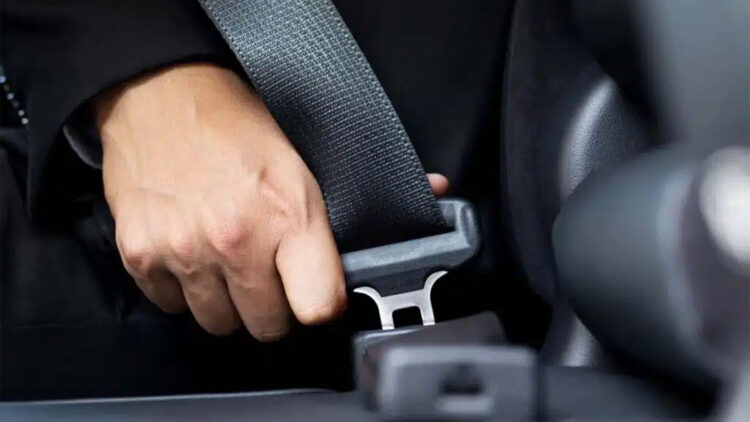
One of Ford‘s most popular SUVs is at the center of a fresh legal dispute in the U.S. A class action lawsuit filed in federal court claims that some model years of the Ford Explorer have a serious problem with their seat belts—and that the company did not properly warn customers about it. According to the case, which focuses on Explorers made between 2011 and 2019, the second row’s seatbelt system could malfunction, putting at risk passengers.
The lawsuit was filed by a driver named Jeffrey Terrell in Michigan on November 14. Which accuses Ford Motor Company of violating state and federal consumer protection laws and of failing to keep up to its warranties.
What the lawsuit says about the defect
The Ford Explorers’ seats come with a special type of belt—part of the supplemental restraint system. In some models, these belts are designed to be “inflatable seatbelts,” which means they are expected to expand somewhat in a crash to spread out the stress on the passenger’s chest and decrease harm.
On paper, it sounds like a smart safety feature. But the lawsuit states that in practice, the system is “deficient and prone to failure.” Terrell argues that the belts can do two dangerous things: They can get stuck closed, making it impossible to unbuckle them normally, or they may come loose when they shouldn’t.
Furthermore, the complaint also says that when this defect appears, it can trigger the airbag warning light on the dashboard. That warning light, according to Terrell, suggests that the airbags may not be working correctly either. If true, this would mean that both major safety systems – seat belts and airbags – could be compromised at the same time.
What Ford may or may not have done
According to Terrell, Ford has known about this seatbelt problem “for some time,” but it hasn’t taken the necessary action to address it.
The lawsuit also states that Ford does not provide a suitable repair under warranty when owners bring in their Explorers with issues that match with the defect. Instead, the company is accused of recommending expensive repairs that customers have to pay for using their own funds.
Terrell also says that Ford hasn’t issued a recall for these Explorer models and has not provided free repairs, even after “numerous complaints” from owners and lessees. In addition they add that it also hurts the value of the vehicles. Cars with defective seat belts and airbags that don’t fully work are way less attractive to buyers.
Terrell is suing for breach of warranty and under New York consumer protection laws. He is requesting a jury trial to decide the case, class certification, monetary damages, and reimbursement for his legal fees and costs.
What’s the next step?
The class action identifies this as “a serious safety risk to passengers” However, these are still allegations in a lawsuit, not proven facts. The case is titled Terrell v. Ford Motor Company, Case No. 2:25-cv-13633, and it has been filed in the U.S. Michigan’s Eastern District Court.
In April of this year, the company announced a recall for more than 105,000 Expedition and Lincoln Navigator vehicles from model years 2018 to 2020 because of a different seat belt error. The complaint uses that recall as evidence that Ford is aware of the potential severity of seat belt issues.
A group of attorneys from McCune Law Group and Kevin C. Riddle of Fieger, Fieger, Kenney & Harrington PC, are representing Terrell. If the class is certified and the plaintiffs finally win or negotiate a settlement, affected New York Explorer owners could receive some type of compensation or repair.