
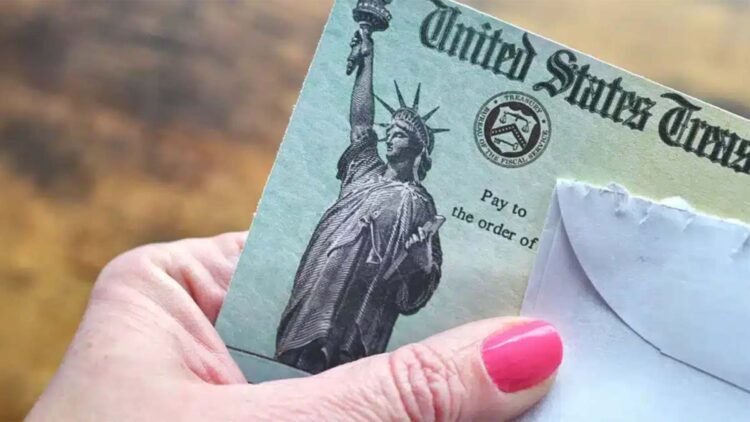
Paper checks would stop being mailed after September 30 this year—or at least that what the U.S. government initially said. However, that strategy has since changed.
Officials have realized that millions of people—especially the elderly—still rely a little bit too much on paper checks and find it very difficult to use modern or technological tools like apps, phones, and online banking.
When news got out, people started to panic, not only because they were use to just get out to the mailbox and get their checks, but because the timing seemed way to short for thousands and thousands of people to adapt to this change. Many of Americans worried that by confronting confusing changes they didn’t know how to manage, they could lose their benefits altogether.
Why the government changed course
Originally, the transition to digital payments was described as a win-win option. Electronic transfers are quicker, safer, and less expensive than paper checks, according to the government. September 30 would be the final date for issuing checks.
Beneficiaries would only have two acceptable choices under the plan: a Direct Express debit card or direct deposit into a bank account. On paper, it looked easy. But, in real life, it ignored a very important reality: not everyone has a bank account, a smartphone, or a reliable internet connection.
But when September arrived, the agency openly confessed that “Some Americans simply cannot move to digital payments, at least not for now” and this was the beginning of the subtle change in the check policies. Instead of pushing everyone into electronic payments, the government chose to slow the rhythm and make exceptions for individuals who legitimately cannot adjust to the digital system.
A “flexible transition” and who it helps
The new technique has been defined as a “flexible transition.” The main goal is still to move toward digital banking, but without cutting off assistance to people who depend on paper checks. The exceptions focus on people that face significant difficulties like:
- Older adults who feel uncomfortable using digital technologies or cannot handle them.
- Households in remote locations with limited access to banking.
- People with no checking accounts or smartphones.
Officials also understood that a sudden cut in paper checks could cause panic, payment delays, and major financial consequences. ATMs, bank offices, and mobile internet may not be easily accessible to many Social Security users. If their payments stopped abruptly, they could find themselves not being able to pay for rent, food, or medicine on time.
What beneficiaries can do now
If you or someone you know still gets Social Security via paper check, this three basic methods can help you with this transition:
- Switch to direct deposit: If you already have a bank account, this is the easiest method. Changes can be done online at SSA.gov/myaccount, the SSA website. Once set up, the money arrives immediately into your account on payday.
- Get a Direct Express card: This debit card is designed for those who don’t have a bank account. Your benefits will be fill in it, and like any other debit card, you can use it to make in-store purchases or take out cash.
- Request an exemption: If for some reason you cannot switch to digital payments, you can go to FiscalService.Treasury.gov, the Treasury’s payment center, and can send an exemption request.
Millions of people were used to receive checks already; therefore, to make the shift feel smoother and less scary for everyone in the United States, agencies are increasing their assistance, collaborating with community organizations, and holding seminars.
If you are confused about what applies to you, the safest option is to consult SSA.gov and FiscalService.Treasury.gov directly.