
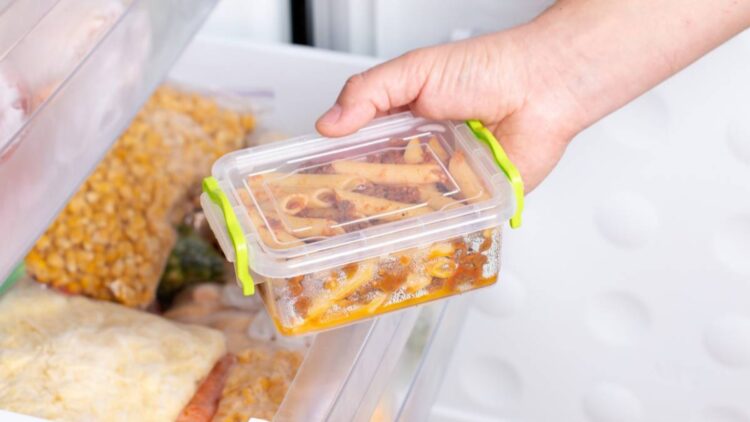
Did you know that putting hot food directly into the refrigerator can have consequences for both your health and that of your fridge? Introducing hot food raises the temperature inside the refrigerator, breaking the cold chain of the other foods, and forcing the motor to work harder to return to the proper temperature. Health-related risks must also be considered, as this temperature change and disruption of the cold chain can lead to the proliferation of bacteria and microorganisms such as salmonella or listeria, resulting in subsequent food poisoning.
Additionally, products like soups, stews, pasta, or rice can experience changes in flavor due to the temperature change. The steam that emanates from hot food generates humidity that not only affects the flavor but also promotes the appearance of mold. To prevent this from happening, it is recommended to wait for the food to reach room temperature before putting it in the fridge. It is also advisable to use stainless steel or glass containers, which prevent cross-contamination. If you are in a hurry and cannot wait for the food to cool down, it is recommended to perform a reverse water bath by placing the hot food container inside another with cold water.
Do we know how to use the refrigerator correctly?
Every kitchen has its own rules, and woe to you if you don’t respect them in someone else’s house (at least in my culture). However, there are habits or customs that should be reviewed, especially because they can endanger both people’s health and that of the refrigerator. The basic rule that must be respected is not to put hot food directly in the fridge. What is the worst that can happen? By introducing something hot, the refrigerator has to generate more cold, forcing the motor to make an extra effort. Furthermore, that temperature change can break the cold chain, affecting all the food.
What happens if I store hot food in the refrigerator?
There are 4 basic premises to keep in mind, as they can occur if the so-called cold chain is broken.
Increased risk of contamination. According to experts, refrigeration below 5ºC is ideal to be considered a safe zone for food storage. However, when introducing hot food, the temperature increases, creating optimal conditions for the proliferation of bacteria such as salmonella or listeria. Moreover, this can lead to food poisoning for those who consume that food.
The flavor changes. Foods like soups, stews, pasta, or rice suffer alterations in taste due to the change in temperature.
Excess moisture. Hot food that goes into the refrigerator generates steam, causing an excess of moisture, altering the taste and leading to the appearance of bacteria and mold.
Refrigerator damage. When hot food is placed inside, the refrigerator’s motor has to work harder to regulate the temperature change. Additionally, there is an increase in electricity consumption, and the appliance’s performance also suffers.
How to store food safely
Experts recommend following these guidelines to prevent any of the mentioned damages:
- Let the food cool for at least two hours before storing it in the refrigerator. It is recommended that it be at room temperature.
- If you need to cool large amounts, it is recommended to divide the food into smaller, preferably shallow containers.
- It is important that the containers are clean. If possible, use stainless steel or glass containers, which better prevent cross-contamination and absorb odors.
- If you’re in a hurry and need faster cooling, it is recommended to use the reverse double boiler method, that is, submerging the container with hot food in a larger one filled with cold water and ice.
Remember to keep the fridge always clean, as well as the containers where you store food, follow the recommendations and you will be making excellent and safe use of your fridge!
Recommendations for keeping a healthy and clean home garden free of bacteria!