
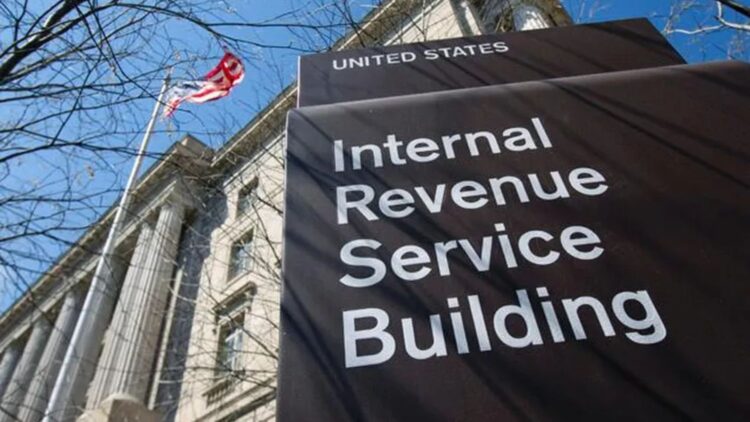
The end of this year 2025 is being marked by the deadlines set by the IRS (Internal Revenue Service) for retirement accounts. This year-end planning summary focuses on Required Minimum Distributions (RMDs), contributions to savings plans such as 401(k)s, and the strategic use of tax-loss harvesting to minimize liabilities. Additionally, Donald Trump has recently mentioned the possibility of eliminating income tax and the impact of recent emergency laws on tax relief.
Required Minimum Distributions (RMD)
A Required Minimum Distribution (RMD) refers to the minimum amount of money that a taxpayer must withdraw from their retirement account each year, whether from an IRA or a 401(k), to keep it active. Recently, the Internal Revenue Service (IRS) issued a warning stating that citizens must take their Required Minimum Distribution (RMD) by December 31 of this year. The purpose of this regulation is to ensure that savings that have grown tax-deferred are taxed.
Failure to comply with this requirement can result in penalties from the IRS of up to 25% of the amount that should have been withdrawn. The RMD amount depends on factors such as the account holder’s age and the total account balance. The government’s RMD calculator estimates the following figures:
- A 74-year-old man with $250,000 in a 401(k) would need to take approximately $9,800 by December 31.
- Those turning 73 in 2025 do not have to pay their first RMD until April 1, 2026. But their second RMD still must be paid before December 31, 2026.
For now, RMD rules do not apply to Roth IRAs as long as the owner is alive. If it’s an inheritance, however, they would apply.
How to reduce the tax burden
December 31 also offers the opportunity to lower taxable income, as it also marks the deadline to maximize annual contributions to employer-sponsored retirement plans. Workers can achieve a lower tax bill for the current year by reducing their taxable income through contributions to these accounts before the last day of the year.
- Individual taxpayers have a maximum deposit limit in a 401(k) of up to $23,500.
- For workers aged 50 or older, an additional contribution known as a catch-up contribution of $7,500 is allowed, recognizing their need to accelerate savings.
Tax-loss harvesting
Tax-loss harvesting is a strategy through which investments that have incurred losses during the year are sold before December 31. The purpose of this action is to use the losses to offset gains, reducing the total amount subject to taxes. In cases where losses exceed gains, the amount allowed under federal regulations is up to $3,000 in deduction.
To avoid that kind of substantial loss, financial advisors insist on immediately reinvesting the capital obtained from a sale at a different value. This is how it is ensured that the money remains in the market and how the gap left by the sold asset is covered.
Will the tax landscape change?
The possibility is there. Donald Trump has stated that he is considering the possibility of eliminating income tax in the coming years, which would completely alter the tax landscape in the United States. We will have to wait and see what decisions are made by the administration, but having some savings doesn’t seem like a bad idea after all.