
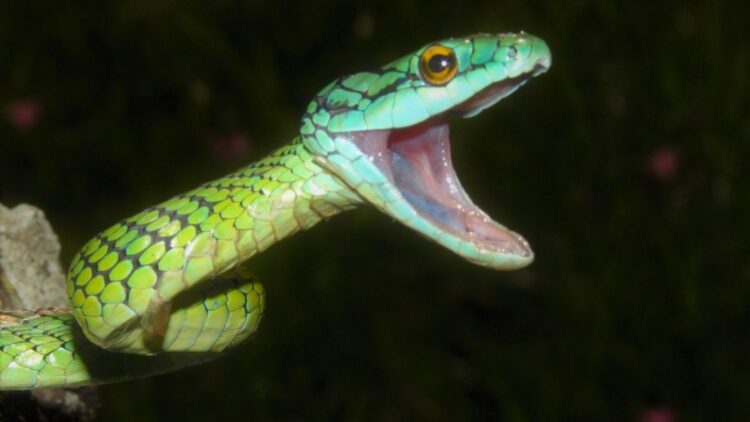
The increase in temperatures with the arrival of summer affects all regions, including Raleigh and the larger Triangle area. These temperatures favor the appearance of snakes, and with them, bites. More than 200 cases of snake bites have been treated to date in the year 2025, according to WakeMed and UNC Health. The latter stated to Wral that the production of antivenom is ‘complex and costly,’ and its maintenance also requires conditions that make it even more expensive for those affected.
Both Duke Health and UNC Medical Centers advise that in the event of a snake bite, the affected person should seek medical attention immediately. The Centers for Disease Control and Prevention recommend taking a picture of the snake, washing the bite with soap and water, avoiding ice or attempts to suck out the venom, and above all, seeking emergency medical care.
Bite marks from snakes in Northern California
As is the case in any region of the planet, summer causes temperatures to soar, bringing with it the arrival of species more suited to warm temperatures. This is the case with snakes, which have been spotted again in Raleigh and in the larger Triangle region. Specimens of this species are being seen in gardens, trails, private patios, or fields, leading to an increase in snakebite cases. So far in 2025, according to WakeMed and UNC Health, there have been nearly 200 treated cases of bites, and this is expected to intensify throughout the summer due to the high temperatures.
Costs of the antivenom treatment
The necessary treatment for snake bites is extremely expensive for those affected. The cost is estimated to be between $47,000 and $77,000 for the initial dose of 4 to 6 vials of antivenom, according to UNC Health. Meanwhile, WakeMed explains that the total cost of treatment will depend on whether or not additional doses are needed, but estimates that the price of a single vial is between $12,000 and $13,000.
Typically, health insurance covers this expense, although those affected who do not have insurance or whose insurance is not active will have to pay out of pocket. The very high price of this treatment is not only due to the complexity of its production, but as UNC Health explains, “it requires careful storage and administration, which increases expenses”.
What to do if you are bitten by a snake?
Both experts from Duke Health and UNC Medical Centers emphasize the importance of seeking immediate medical assistance in the event of a snake bite. Additionally, they insist on avoiding driving after being bitten, as dizziness or fainting could put the affected person at greater risk. For its part, the Centers for Disease Control and Prevention lists the following recommendations in case of finding oneself in an emergency situation after being bitten by a snake:
- Take a photo of the snake. Try to make it as clear as possible but without putting its life at risk. This image will help the medical services when proceeding.
- If the affected person has jewelry near the bite site, remove it, as the area will swell and cause discomfort to the affected person.
- It is recommended to wash the bite with plenty of water and soap.
- Although it is often heard, authorities recommend avoiding ice, using tourniquets, or having any companions attempt to suck out the venom.
It is important that in an emergency situation like this, one remains calm but acts quickly. Seek professional help at medical centers and avoid waiting. Follow the steps advised by official authorities and avoid reading advice online from unreliable sources or unofficial medical websites.