
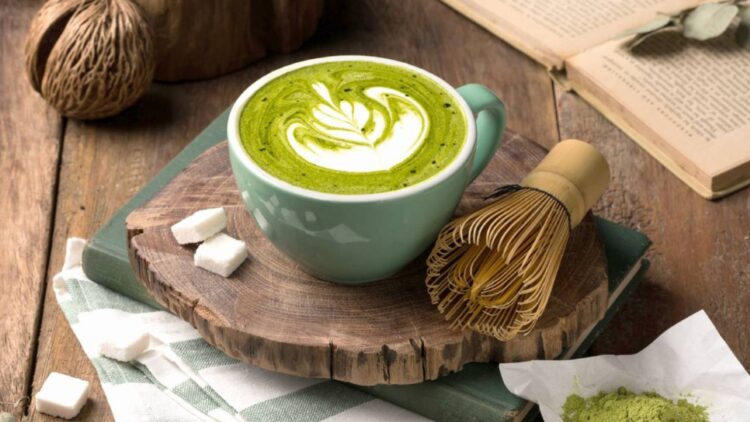
Bad news for Matcha lovers! One of the drinks that has become popular and gone viral on social media such as TikTok could see a significant price increase in the United States. This is due, on the one hand, to reduced production due to bad weather in Japan, a large increase in demand, and Donald Trump’s tariffs, although the latter is not yet entirely clear. Matcha tea sales have increased by 86% in the United States in three years, according to data from market research company NIQ
This has caused producing countries to struggle to keep up with demand, requiring a price increase. According to Aaron Vick, a senior tea buyer at GS Haly, this year he has paid 75% more for high-quality tea from Japan. However, other companies such as Starbucks say they are not experiencing supply problems, as they source their tea from China, South Korea, and Japan.
Matcha
In recent years, social media has been revolutionized by the virality of a product that has always existed: matcha tea. It stands out for its vibrant green color, but the truth is that it is a highly recommended source of antioxidants and nutrients. Unlike other teas, matcha is not infused in bags, but comes already ground, in powder form.
Among its many benefits are its antioxidant capacity, which helps slow down cellular aging, protects against free radicals, and contains L-theanine amino acids, which help us relax and improve concentration. It also has benefits for the metabolism by speeding it up, which can aid fat loss. Unlike coffee, matcha is not considered such a stimulating drink, but it does help to provide that extra boost of energy.
The consequences of matcha tea going viral
Like all products that become popular on social media, matcha has also fallen victim to these consequences. Consumer demand for matcha has made it difficult for manufacturers to keep up. Specifically, in the United States, matcha consumption has increased by 86% compared to three years ago, according to market research company NIQ. But the main question is, are Donald Trump’s tariffs affecting the price of matcha tea in the country?
The truth is that it is not yet known whether this product will be exempt, as was the case with cork from the European Union. This was because the natural production of these products in the United States did not represent significant quantities, so their importation was necessary. All these difficulties have caused the price of this product to increase considerably, forcing producers to invest more in labor to meet demand, as has been the case in China.
How has this affected buyers in the United States?
The main countries that produce and supply matcha are South Korea, China, and Japan. Production has fallen this year (2025) due to bad weather. According to Aaron Vick, a senior buyer at GS Haly, specifically at the California headquarters, explained that he paid 75% more this year for the high-quality harvest that will come directly from Japan. He also states that lower-quality products will also see their prices increase by between 30% and 50%. “Chinese matcha, which is generally cheaper than Japanese tea, is also becoming more expensive”.
What now, matcha lovers?
Vick added, “People should expect a huge increase in the price of matcha this year. It’s going to be a little difficult for matcha devotees. They’ll have to show the depth of their commitment at the cash register.” And it’s true, love for a product often ends when the price increases. Will this happen with matcha tea? Or will devotion to a product that provides so many benefits outweigh its virality?