
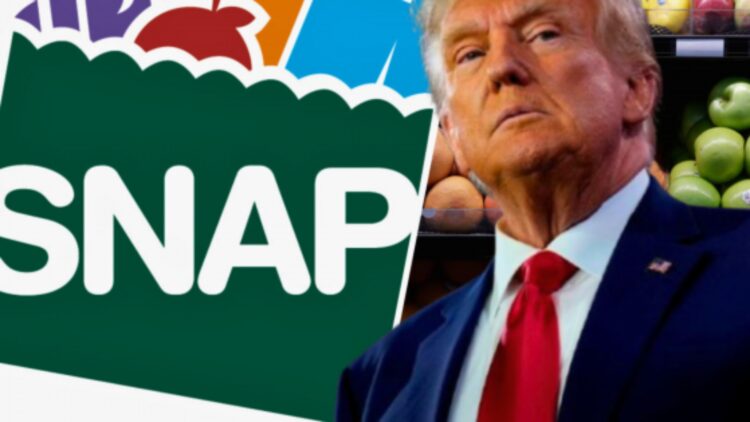
Starting November 1, 2025, the millions of people who rely on the Supplemental Nutrition Assistance Program (SNAP) in the United States will see the benefits they typically receive reduced or even eliminated. The Department of Agriculture (USDA) has announced new federal work requirements and new rules for so-called Able-Bodied Adults Without Dependents (ABAWD). This measure is part of the law enacted by Donald Trump, the One Big Beautiful Bill Act (OBBA), which tightens the SNAP eligibility requirements.
If the new requirements are not met, it will be mandatory to work at least 80 hours per month, including participation in NAP Employment and Training (E&T) or state and local employment initiatives. According to data from the Congressional Budget Office (CBO), this measure would reduce the federal deficit by $309 billion but would also leave 2.4 million people without any form of food security. For its part, CNBC describes this new measure as “the largest cut in the history of the SNAP program,” and according to data from Urbanizadnos, the benefits that would be lost range from $72 to $231.
Changes in SNAP
If you are a beneficiary of the Supplemental Nutrition Assistance Program (SNAP), you will want to keep reading. As part of the One Big Beautiful Bill Act (OBBA) enacted by Donald Trump, starting November 1, 2025, a series of restrictions on eligibility requirements will come into effect that could affect beneficiaries to the point of losing access to this aid. The Department of Agriculture (USDA) has announced the new rules for so-called Able-Bodied Adults Without Dependents (ABAWDs), who will have to adhere to the new eligibility requirements.
New eligibility requirements
The new requirements are much stricter than the ones that existed until now. As of the effective date, eligible applicants must:
- Be 65 years or older (until now the limit was 59).
- Be a parent or guardian of a child under 14 years old (previously the maximum age was 18).Be pregnant or physically or mentally unable to work.
- Belong to native communities under the new OBBA exceptions.
Additionally, those who do not meet these requirements must work at least 80 hours per month, either in a paid job or in volunteer work. Job training programs such as SNAP Employment and Training (E&T) or state and local employment initiatives are also included.
How has this news impacted society?
The motivation driving this new measure, according to the Trump Administration, responds to the need to reduce dependence on federal programs, as well as to save taxpayers’ resources. However, the controversy is on the table. According to data obtained from a CNBC analysis, it would be “the largest cut in the history of the SNAP program”.
Additionally, although the Congressional Budget Office (CBO) estimates that this measure would reduce the federal deficit by $309 billion, the truth is that 2.4 million people would be left without access to a meal, while others would lose an average of between $72 and $231 per month, according to Urban Institute data.
States face the pressure
While SNAP has always been fully funded by federal funds, starting from the implementation of OBBA, it will be the states that will have to cover up to 25% of the program. This new situation forces states to restructure their budgets, being forced to make cuts. This is the case in Oregon, where it is estimated that 42% of local SNAP beneficiaries will stop receiving this type of aid starting this month.