
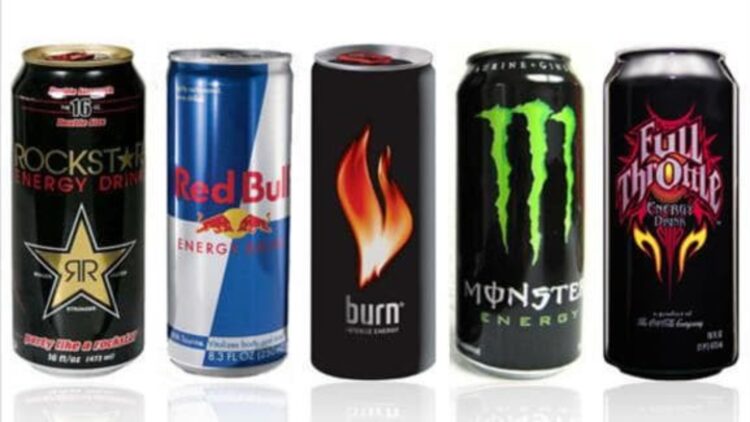
Although no specific dates have been mentioned yet, the British government is considering the possibility of prohibiting the sale of energy drinks to those under 16 in the United Kingdom. The Food and Drug Administration (FDA) defines energy drinks (EDs) as liquid products that contain large amounts of caffeine, added sugars, additives, and other stimulants such as guarana, taurine, and L-carnitine. This composition is anything but healthy, as they induce a state of alertness, increase blood pressure, and heart rate, among other adverse effects.
The most well-known brands for everyone are Red Bull, Monster, or Prime Energy, which are under scrutiny by the British government. The Secretary of Health and Social Care, Wes Streeting, explained on Good Morning Britain the harmful effects of consuming these types of products. He emphasized the trend among younger people and the need to limit their consumption. This ban would not affect other sugary carbonated beverages like Coca-Cola, Pepsi, or Lucozade, but rather to Krating Daeng, Red Bull, Monster, and Prime.
Energy drinks (EDs)
According to the Food and Drug Administration (FDA), energy drinks are a class of products in liquid form that typically contain caffeine, with or without other added ingredients. These added ingredients include huge amounts of caffeine, sugars, additives, and legal stimulants such as guarana, taurine, and L-carnitine.
What dangers do these added ingredients pose?
It is important to remember that these types of ingredients are completely legal, but that does not exempt them from being highly detrimental to health, especially in the quantities these drinks have. Some of the effects that consumption can produce are related to the sensation of being alert, and an increase in attention and energy. Although this may seem beneficial for engaging in activities such as studying or working, the truth is that it also causes an increase in blood pressure and heart rate, respiratory difficulties, fast and abnormal heart rhythms, and even seizures.
Its consumption has been shown to have a negative impact on the cardiovascular system, affects the nervous system, and creates addiction. Additionally, regular consumers experience headaches, insomnia, and sleep problems, and yet they are unable to stop consuming them.
Global energy drink market
During the year 2024, the global energy drink market reported revenues of around $206 billion. This is possible thanks to the trend that has been created around the consumption of these types of products, especially among young people. The most common drinks are:
- Red Bull.
- Monster.
- NOS.
- Rockstar.
- Fast Twitch.
- Eastroc Super Drink.
- Gorilla Mind.
- Mountain Dew Kickstart.
- Bang Energy.
- 5 Hour Energy.
- PHX.
Which drinks will be prohibited?
At first, the three under scrutiny are Red Bull, Monster, and Prime Energy. Despite also having high amounts of sugar, brands like Pepsi, Coca-Cola, or Lucozade will not be affected.
According to Secretary of Health and Social Care Wes Streeting, Susanna Reid, in her statements on Good Morning Britain, “These are high caffeine energy drinks – Monster, Prime Energy… we are talking about the equivalent of four cans of coke in one can in terms of caffeine, and that is before we look at the sugar and the impact on childhood obesity. And we are also talking about children and young people. Because we know that nowadays, many children going back to school, many of them go to the newsstand on the way to school, or at lunch time or when they’re heading home and pick up one of these drinks”.
I also explain that “In terms of the impact on concentration, on behavior in the classroom, on their health and well-being, we know that parents are concerned and want us to act – about eight out of ten parents have asked us to do this. Today we are conducting a short and sharp consultation – particularly with retailers, because many responsible retailers, some of our big supermarkets are already doing this, so we will learn from them how it has worked in practice before extending it to other retailers. Good for education and learning behavior and keeping the promises we made in the general elections”.