
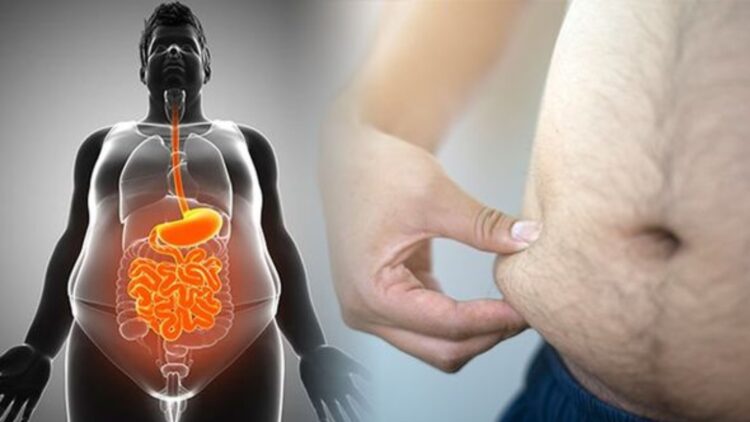
Having a healthy body goes beyond aesthetic reasons. It is about taking care of our body inside and out, keeping it healthy and strong so that it can support us in all vital activities without problems. There is a factor that is sometimes overlooked but is crucial when it comes to measuring the health of our body: visceral fat. We are not talking about subcutaneous fat, but the fat that surrounds the organs, responsible for the development of diseases such as type 2 diabetes, cardiovascular diseases, insulin resistance, fatty liver, and even some types of cancer. The presence of this visceral fat releases inflammatory substances that disrupt metabolic balance and promote the onset of chronic conditions.
At Cross Clinic, they recommend a balanced diet and physical exercise as tools to combat visceral fat. They also refer to the reduction of cortisol levels, which are responsible for fat accumulation in the abdominal area, and to the importance of having proper rest. The combination of these healthy habits helps maintain metabolic health within the necessary parameters, keeping us away from obesity and promoting a more manageable and healthy longevity.
The importance of staying healthy
Living a healthy life not only means looking in the mirror and being satisfied, but also ensuring that the inside of our body is healthy. Just as we monitor levels like iron, cholesterol, or triglycerides in the blood, there is one parameter that some people overlook: visceral fat. Its presence is highly dangerous, so it is important not only to take it into account but also to fight it.
Visceral fat
As explained on the official website of Clínica Cross, “visceral fat is a component of adipose tissue that is stored inside the abdominal cavity, surrounding the internal organs. This type of fat plays important roles, such as thermal insulation and protection of the organs. However, when it accumulates excessively, it can cause health problems.” It is the fat that surrounds and accumulates between organs such as the liver, pancreas, or intestines. Although one of its functions is protection, when levels are high, it is extremely dangerous. Its excess is linked to a higher risk of developing serious diseases such as type 2 diabetes, cardiovascular diseases, and fatty liver disease.
What risk does the presence of visceral fat pose?
Visceral fat is directly related to the onset of cardiovascular diseases, insulin resistance, fatty liver, overweight, obesity, type 2 diabetes, and even some types of cancer. This type of fat releases fatty substances that interfere with the proper functioning of organs, and promote inflammation along with the onset of chronic conditions. It has nothing to do with subcutaneous fat, which is located under the skin and can be removed through aesthetic or surgical treatments. Getting rid of visceral fat requires deeper changes.
How to fight visceral fat?
For Cross Clinic, physical exercise and a healthy lifestyle are recommended to combat this issue. It is essential to eliminate or reduce added sugars and saturated fats, and to increase the consumption of fruits, vegetables, lean proteins, and whole grains. Additionally, about 150 minutes of physical exercise per week combining strength exercises and cardiovascular training is essential. They also mention reducing cortisol levels through stress management, as these are responsible for fat accumulation in the abdominal area. They also emphasize the importance of adequate rest, since poor sleep hygiene hinders weight loss.
It is important not to panic and to always consult a doctor before making decisions on how to proceed with illnesses. Remember that this article is for informational purposes only.